Sustainable Villa Design: Solar, Rainwater and Natural Light
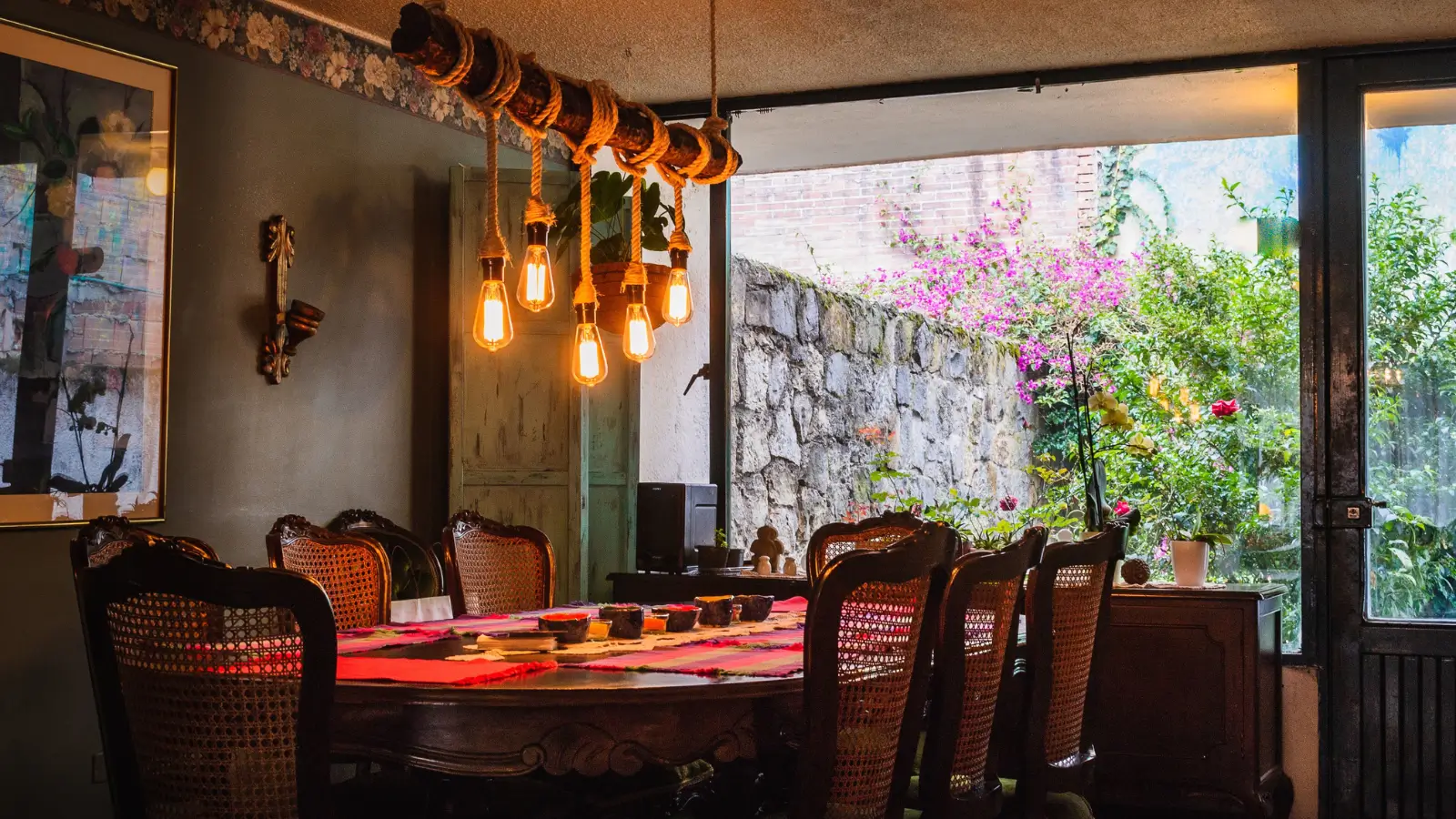
Building your own villa lets you build green from the start. Here are practical ways to save water, power and running costs.
Owning a plot gives you a chance that apartment buyers rarely get: to build a home that uses less water and power from day one. Sustainable villa design in Bangalore draws on the city's climate, with plenty of sun and a monsoon season that can fill tanks if you plan for it. Here are practical ideas for a villa on a plot at Embassy Springs.
Start with the Site
Good green design begins with orientation. Place living spaces to catch daylight, use shading on the hottest sides of the house, and keep openings on opposite walls for cross-ventilation. A good architect will study the plot's orientation before drawing a single room. These choices cost little at the design stage and reduce the need for lights and air-conditioning for the life of the home.
Rainwater Harvesting for Independent Houses
Rainwater harvesting for independent houses collects water from the roof and either stores it for use or directs it into the ground to recharge groundwater. Local rules may require it for new homes, so check with your architect. At Embassy Springs, storm-water drainage and rainwater harvesting details for this release are to be declared by the developer.
Option | What It Does |
|---|---|
Storage tank | Holds roof water for gardening or flushing |
Recharge pit | Returns water to the ground |
Filtered system | Treats water for wider household use |
Solar Panels for Villas in Bangalore
Fitting solar panels for villas Bangalore homeowners build makes good use of the city's sunny days. A rooftop system can cut electricity bills and, where permitted, feed excess power back to the grid. Solar water heaters are another simple option. Make sure panels fit within the township's height limits and facade controls, which are to be declared for this release.
Natural Light and Ventilation
Daylight is free, and so is a breeze. Larger windows on the right sides of the house, skylights over stairwells and a small internal courtyard can bring light deep into a home. Cross-ventilation keeps rooms cooler, reducing reliance on air-conditioning for much of the year.
Materials and Finishes
Choose durable, locally available materials where you can, and finishes that need little upkeep. Light-coloured roofs and walls reflect heat, and deep overhangs keep direct sun off glass in the warmest months. Good insulation in the roof keeps upper floors cooler in summer.
Water Use Inside the Home
Low-flow taps and showers
Dual-flush toilets
Greywater reuse for gardens, where allowed
Native plants that need less watering
Small changes like these add up over a year in a busy family home.
The Township's Green Setting
Your home sits inside a larger green setting. Embassy Springs has more than 45 acres of green space, a 5.5-acre lake and 32+ themed parks, with walking, jogging and cycling circuits. A sustainable home complements that setting. Our article on Embassy Group awards and green certifications looks at green ratings more broadly.
Pairing Green and Smart
Smart systems help a sustainable home run efficiently. Energy monitors, automated pumps and smart inverters show where power and water go. Our guide to smart home features for villas explains what to plan early.
Gardens That Need Less Water
A garden can be green without being thirsty. Native plants, mulched beds and drip irrigation all cut water use, and a rainwater tank can supply the garden in drier months. Grouping plants by their water needs makes watering easier. Inside Embassy Springs, the township's 32+ themed parks give residents plenty of green space beyond their own garden.
Costs and Savings
Some green features add to construction cost, while others save money from the start. Orientation and shading cost little; solar panels and rainwater systems cost more upfront but reduce running costs over time. Ask your architect to price each option so you can choose what fits your budget and plan the rest for later.
Sustainable villa design in Bangalore pays back in lower bills and a more comfortable home. See the specifications page, talk to our team, or visit the Embassy Springs Plots homepage.
FAQs
What is the easiest green feature to include?
Good orientation and shading, which cost little at the design stage and reduce energy use for years.Is rainwater harvesting required?
Local rules may require it for new homes; check with your architect. Details for this release are to be declared.Can I install solar panels on my villa?
Generally yes, within the township's height limits and facade controls, which are to be declared.Do green features save money?
Many reduce running costs over time, though some add to upfront construction cost.
Related Articles

Suburban Rail and North Bangalore: What K-RIDE Changes
Bangalore's suburban rail project could add new links in the north. Here is what it may mean for Devanahalli, and what to watch.

Embassy REIT: What It Says About the Brand Behind Your Plot
Embassy Group sponsors India's first REIT. Here is what that says about the brand behind your plot, and where its limits lie.

How to Verify a Builder Before Buying a Plot
A practical checklist to verify any developer before you buy land, with Embassy Springs as a worked example.
Low-Density Living: Why 11 Plots per Acre Matters
The new Embassy Springs release has about 11 plots per acre. Here is what density means, and why it matters for privacy and value.